Qingdao / Shandong platform

One province, one port system, one practical gateway to SCO industrial cooperation.

Qingdao and Shandong combine world-scale ports, sea-rail logistics, energy storage, refining capacity, agriculture, marine economy, biochemistry, advanced manufacturing and research institutions. SCODA gives this environment an international cooperation interface; the MDC makes it readable, governable and usable for partners from SCO, BRICS and BRI countries.

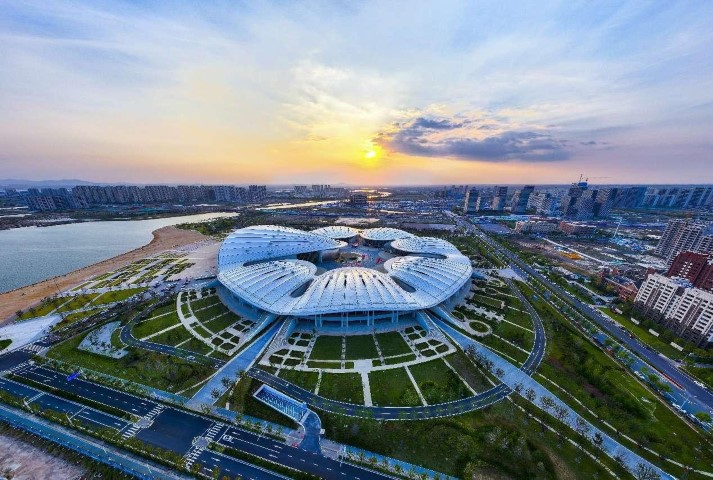
Strategic infrastructure image

SCODA as the visible center of a much larger Shandong ecosystem.

This page presents Qingdao and Shandong as the operational environment behind the MDC: a world-scale industrial, logistics, energy, agricultural, marine and innovation base where SCODA provides a practical gateway for structured SCO / BRICS / BRI cooperation.

SCODAShandong PortsSea-rail corridorsEnergy storageAgricultureOcean science
Main ecosystem visual placeholderimg/infrastructure/scoda-shandong-ecosystem.jpg
Port power

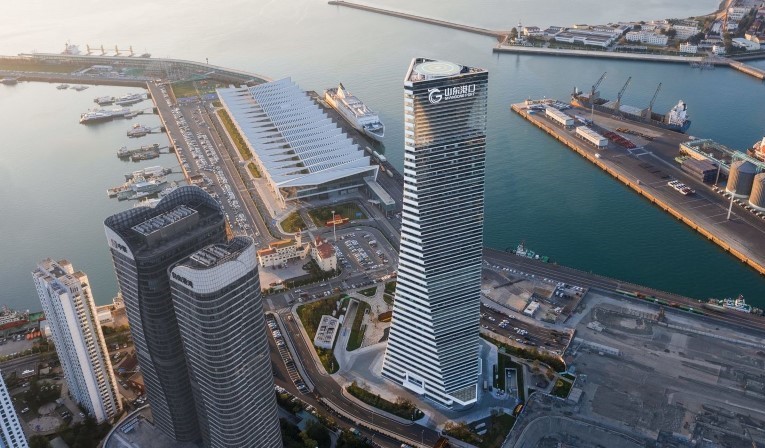
Shandong Ports: a world-scale maritime and logistics cluster.

Shandong is organized around an integrated coastal port system with Qingdao as the leading gateway, Rizhao and Yantai as major wings, and Bohai Bay, Weihai, Dongying, Weifang, Binzhou and inland logistics nodes extending the network inland and outward.

1.81Btons cargo throughput reported for Shandong Port Group in 2024
44.77MTEUs container volume reported for 2024
340container shipping routes across the port system
21+main port areas coordinated by Shandong Port Group
370+production berths across the integrated group
Oil / bulk / graincrude oil, ore, coal, grain, soy and industrial materials handled at scale
Sea-railmultimodal corridors linking coastal ports to inland China, Central Asia and Europe
Bonded zonesfree trade and bonded logistics interfaces for cross-border deployment

Core infrastructure categories

What Shandong brings to industrial cooperation.

Port and terminals

Ports, terminals and global routes

Qingdao, Rizhao, Yantai and the wider Shandong Port Group provide deep-water terminals, container capacity, bulk cargo handling, oil terminals and global connectivity. This is the physical base for trade, materials, energy and industrial deployment.

Sea-rail logistics

Railways, inland ports and corridors

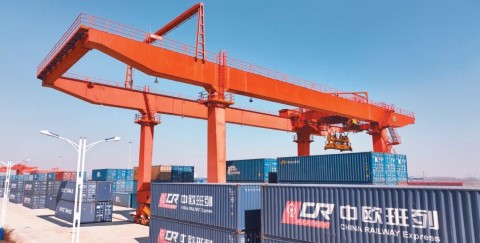
The value of Shandong is not only maritime. Sea-rail routes connect ports with inland manufacturing regions, logistics parks, Central Asia and Eurasian corridors, making Qingdao a practical Belt and Road departure and consolidation point.

Energy storage and refinery

Energy, refining and storage

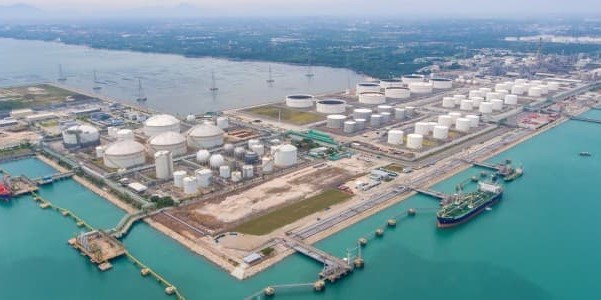
The province has a major energy and petrochemical base: crude oil terminals, refined products logistics, large storage capacity, refinery interfaces, LNG development and energy exchange platforms. This matters for fuels, biochemistry, SAF, HVO, feedstock and industrial utilities.

Agriculture and food systems

One of China’s major agricultural and food-industry provinces.

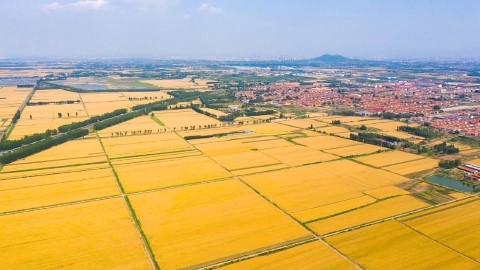
Shandong is a leading agricultural province with strong production and processing ecosystems for grains, vegetables, fruits, meat, aquatic products, oilseeds and feed. It also absorbs large bulk flows, including grain and soybean-related flows linked to South America, food processing, animal feed and bioeconomy value chains.

GrainSoy and feedVegetablesFruitsAquatic productsFood processing
Agriculture, grain and food-processing imageimg/infrastructure/shandong-agriculture-food.jpg
Marine economy and ocean science
Marine economy

Ocean resources, marine biochemistry and blue economy.

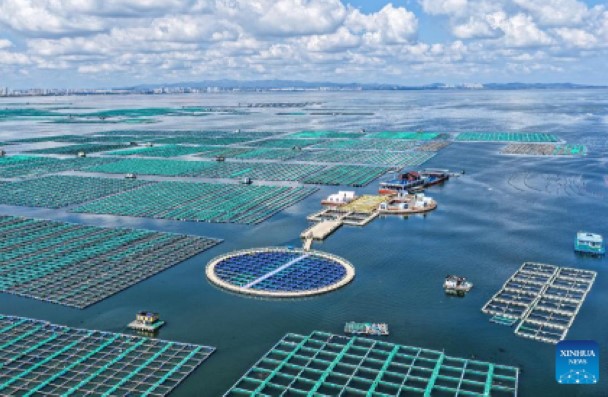
Qingdao is one of China’s strongest marine cities. The ecosystem combines ocean science, aquaculture engineering, seafood processing, marine pharmaceuticals, marine biochemistry, environmental monitoring and deep-sea technologies. Institutions such as Ocean University of China and regional marine research platforms create a high-level talent and science base for industrial cooperation.

AquacultureMarine biochemistrySeafoodOcean UniversityBlue economy
Innovation and industry

From classical industry to advanced applied research.

Shandong is not only a production base. It is also building innovation capacity in bioenergy, synthetic biology, advanced materials, energy storage, industrial AI, UAV systems, low-altitude economy, smart manufacturing and digital trade infrastructure.

QIBEBT / bioenergy laboratories

Bioenergy and biochemistry

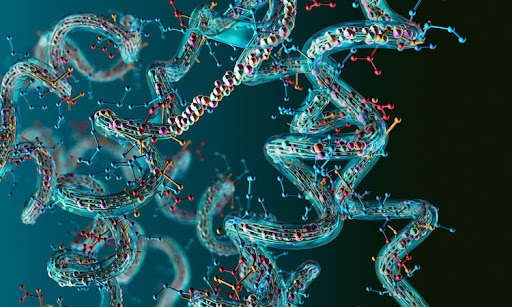
Qingdao hosts QIBEBT, a Chinese Academy of Sciences institute focused on renewable energy, advanced biotechnology, bio-based materials and industrial translation. This is a strong anchor for bioenergy, SAF, HVO, biochemistry and circular-economy projects.

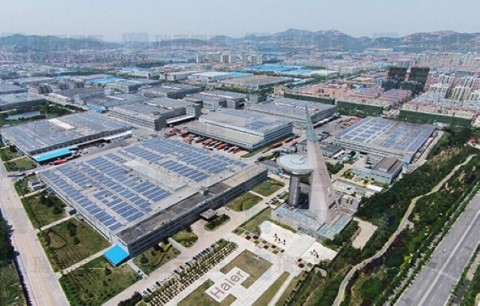
Advanced manufacturing imageimg/infrastructure/advanced-manufacturing.jpg

Advanced manufacturing and industrial parks

Shandong has a deep industrial base across petrochemicals, machinery, equipment, marine engineering, food processing, materials and emerging technologies. This creates real execution capacity for pilot plants, industrial scale-up and export-oriented platforms.

Low-altitude economy and UAV imageimg/infrastructure/low-altitude-uav.jpg

Low-altitude economy, UAV and digital systems

Low-altitude economy, UAV applications, monitoring systems and industrial digital intelligence are becoming increasingly important for agriculture, ports, energy infrastructure, logistics, aquaculture, emergency response and environmental supervision.

SCODA and MDC

Turning regional strength into structured international cooperation.

SCODA provides the international cooperation window. The MDC adds the operating discipline: partner mapping, project intake, governance rulebooks, ring-fenced structures, liaison bridges and innovation-cluster coordination. The objective is simple: help SCO, BRICS and BRI partners use Qingdao and Shandong as a practical bridge to industry, markets, technology and infrastructure.

SCODA interfaceMDC governanceInnovation CenterInternational bridgesProceed / Review / Stop
SCODA / MDC cooperation imageimg/infrastructure/scoda-mdc-cooperation.jpg